Musings
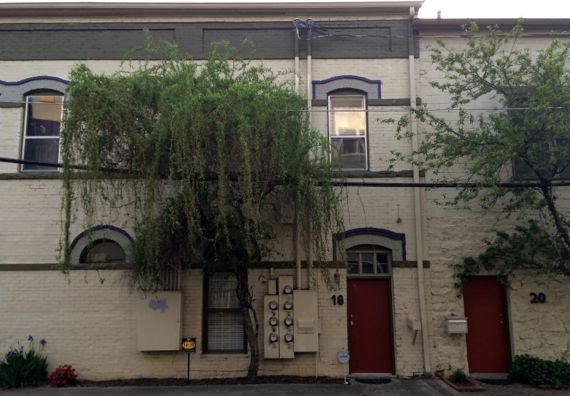
Street view from a wander of the BoccaLupo neighborhood.
We did Restaurant Thursday tonight. Ate at BoccaLupo, where chef-owner Bruce Logue was a sous chef under Mario Batali at Babbo, among other Italian themed situations.
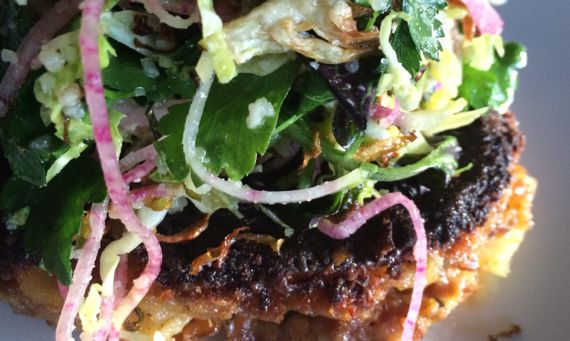
Okay. I bend to your will: a food picture. I had a wild boar and eggplant cake, nicely crisped, with a lovely, interesting shaved greens salad on top. JCB had the 20 yolk tagliatelle, with goodies.
Posted at 8:47 PM |
Comments Off on We survived the wolf’s mouth
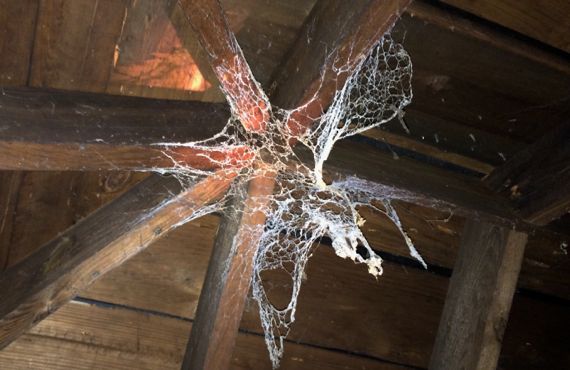
At the neighbors’….
Rehab an old house, and there’s no telling what may be uncovered. Love the conjunction of the roof-joists and the cobwebs. They just…accumulate…you know.
Posted at 9:33 PM |
Comments Off on Bright lights…
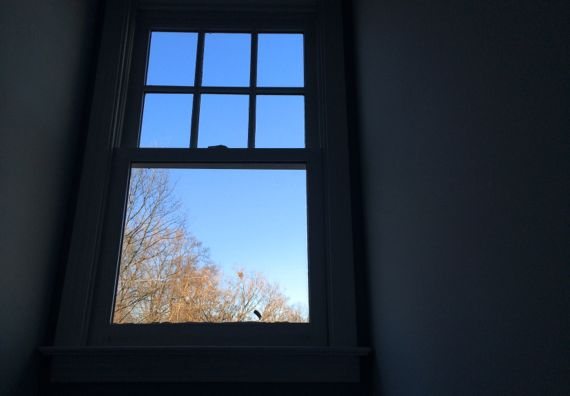
…mean cold cold cold. That, plus the vortex.
The vastness of what I don’t know is…staggering. Like that Irving Berlin wrote “Blue Skies” (1926). Thank you, WikiPee.
Posted at 6:19 PM |
Comments Off on Nothing but blue skies…
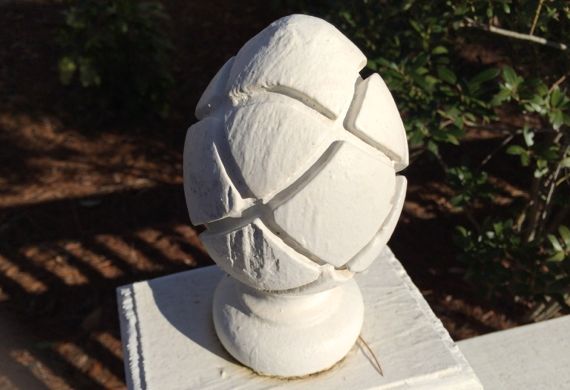
Of all things. My dictionary indicates that finial and finish are both derived from Latin finis, meaning end.
Makes sense!
To me this form evokes a stylized pineapple (kinda). And the splinters suggest it may be made of pine (wood).
These…conjunctions, they do stack up!
Posted at 7:24 PM |
Comments Off on Finals are fun

A little dozing and a shallow foundation—then, presto!—a corn field turns into a motel. Zoom forward a few decades, get the golden hour to smile on it, and the building may even present a ghost of attractiveness.
And the shower head was great, the drain functioned perfectly, and the bed and pillows were comfy.
Posted at 7:52 PM |
Comments Off on Never can tell
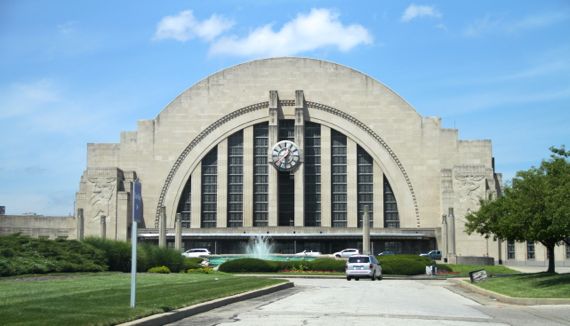
Sometimes Art Deco pieces look so cold to me. Like this sun-moment at the Cincinnati Union Terminal; even the sun couldn’t cut the formality and severity of the design.
To me, anyway….
Posted at 10:22 PM |
3 Comments »
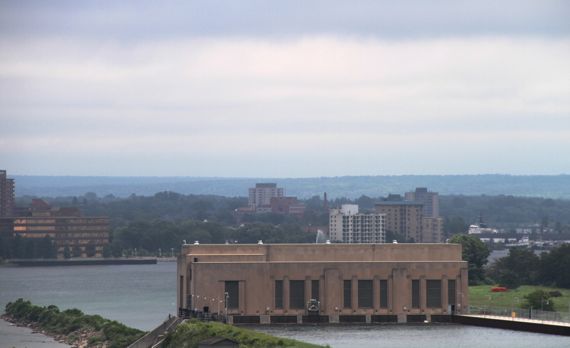
We ventured forth into a foreign land in search of FIL’s fave Tanq—the 80-proof version you can’t get in the good ol’ US of A.
The usually harsh US of A customs/immigration person kept it brief in the question department, and even, when told we had six bottles of gin to declare, did not require us to get in line to pay duty!
Posted at 10:22 PM |
2 Comments »
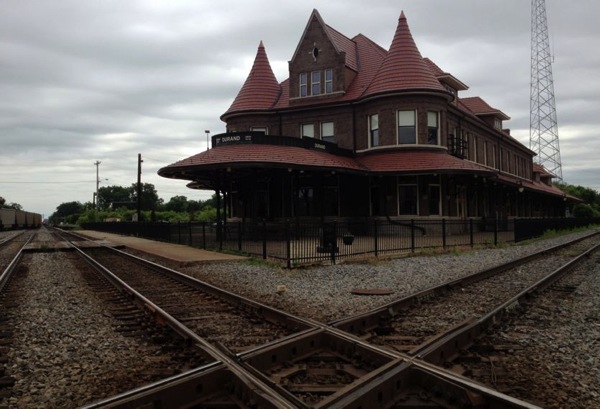
I confess I am (almost) convinced that Michigan means land of people who mow lots of grass. We may match that pattern this evening.
UPDATE: Kindly, kindly neighbor knocked back the worst of it around the door (and more) prior to our arrival; so sweet.
Posted at 10:22 PM |
Comments Off on Hunch: definition
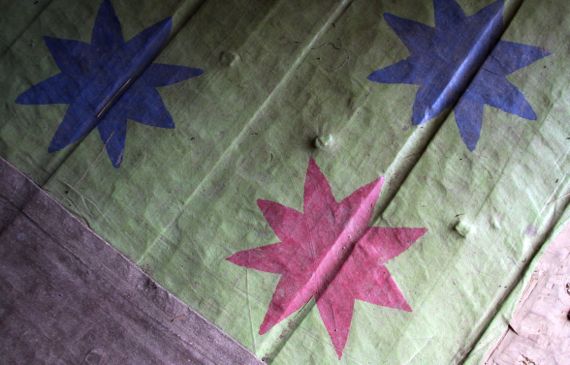
The image is oilcloth, or what passes for oilcloth. Funny stuff, oilcloth. The oil in oilcloth traditionally was linseed, that is oil from flax (Linum usitatissimum) seeds. Flax has a long history, and has been used for both fiber and seed-oil. Linseed oil has an usual property: over time, it sets up. So, for example, to make window glazing, it was mixed with chalk dust (hence the white glazing in old photos and paintings).
In “the old days,” oilcloth, although heavy and stiff, was a good choice for waterproofed applications. Waxed fabrics were another option. The later rubberized fabrics were a huge breakthrough.
No connection I can come up with between oilcloth and an unexpected thing I learned about today: the Vasari corridor. It’s a hobbit-trail/enclosed passageway dating to post-Medieval Florence…uhem…Firenze.
It connects the Palazzo Pitti with the Uffizi and Palazzo Vecchio. It crosses the Arno above the shops along the Ponte Vecchio, and passes through the upper reaches of a church, and above many homes. This is how the wealthy in pre-limo days commuted from home to office. In this case, the commuter was Grand Duke of Tuscany, Cosimo I de’ Medici (1519–1574). He lived on the south side of the Arno, in the gigantic Palazzo Pitti, and worked, or at least presided over, events in the Uffizi (offices), on the north side of the river. The corridor…just made his work-day easier.
The corridor was designed by Giorgio Vasari and built in five months in 1564. Today, access is nearly always closed, although along the walls of the almost 1 km long enclosed hallway are over 1000 paintings/works of art—the Uffizi’s self-portrait collection, which continues to receive new additions. There’s a second corridor off the north side of the Uffizi, with access to the Palazzo Vecchio. Thus, if you had the chops, you could move easily between the decision-making centers of Florence, and the stinky populace would have no idea you were strolling above.
The High Line is about a mile long, is in NYC, and the earliest section opened in 2009. It’s public, not private, and open to the skies, and thus quite different from the Medici pathway. They both have art, though.
Posted at 9:20 PM |
Comments Off on Sixteenth-century High Line
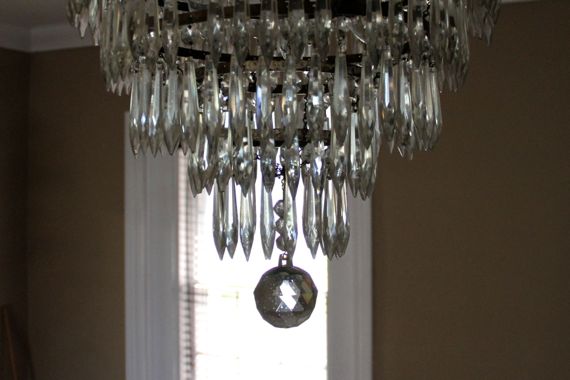
Time is a difficult concept to grasp, frame, and master. But, as humans, we try mightily to do so.
The simplest time concept, I think, is the continuum—it’s all the same thing, going on and on.
Then you can get fancy, and introduce starting and ending points. Events, you might say.
Sometimes you can employ/deploy the idea of hinge points, or pivots, when something happens and things change going forward.
I keep thinking that overall it’s a matter of perspective, that reality is subjective, that we’re just fleas on Mother Earth’s back, belly, or neck.
Posted at 10:22 PM |
2 Comments »