Musings
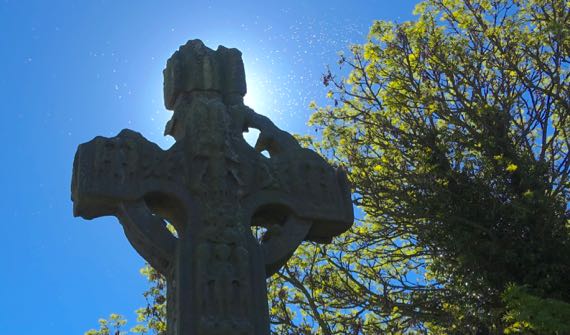
I thought this was our “last” high cross of the trip, and then we saw a replica in a museum. Does that count?

Also at Ardboe (no ruins of the monastery that was here), we found grave monument setters at work, and this lilac. Can you see the white spots in the first photo? And a couple of flies in this picture? Many bugs…a hatch. They weren’t house flies. Still annoying, however.
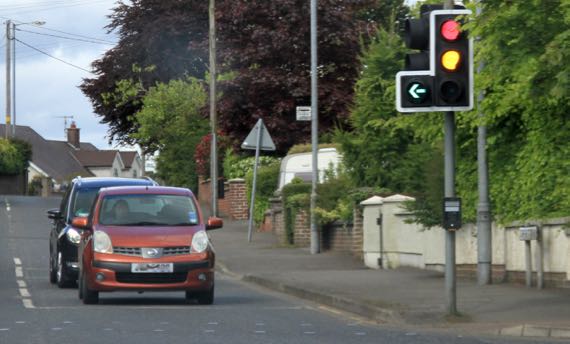
Haven’t noticed L-shaped stoplights before….
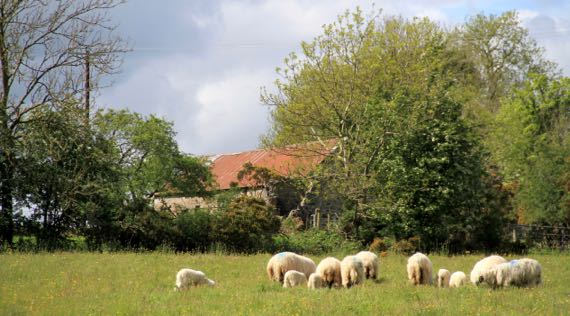
Strange that all these sheep turned their tails toward us—and they have tails. Lots of that here, but plenty are docked.

Last stone circles of the trip. These are the Beaghmore group.
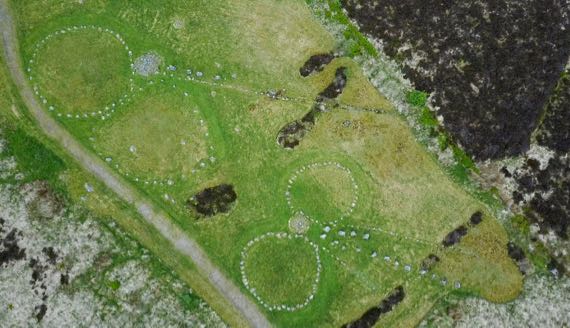
JCB and the drone captured some fine shots. This is just part of the area of circles, alignments, cairns, etc. Further, this valley is peppered with stone features. And without a doubt more are undiscovered beneath the peat. The peat is covered by brown and grey vegetation in the drone photo.

On to the last ring fort occupied into the 1600s. This is a famous spot, as one of the last Gaelic kings (sub-king I’d say) was inaugurated here in 1593; his name was Aodh Mór Ó Néill. Aodh is Hugh in English. Mór means great. Aodh would have called this place Tulach Óc; today it’s Tullyhogue. Someone lived here in a wooden building into the 1600s. This is the entrance and the original entrance probably required a Z-shaped path between wooden palisades.
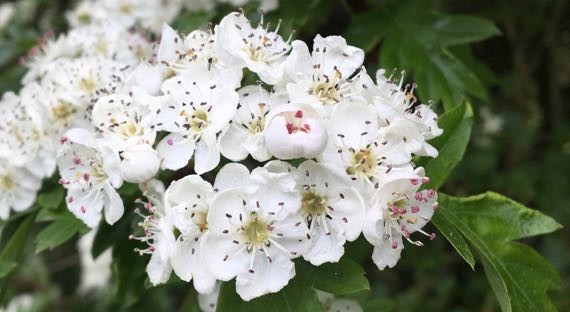
We’ve been seeing these blooming hawthorns everywhere—down hedgerows and here at Tulach Óc. The scent is strong.
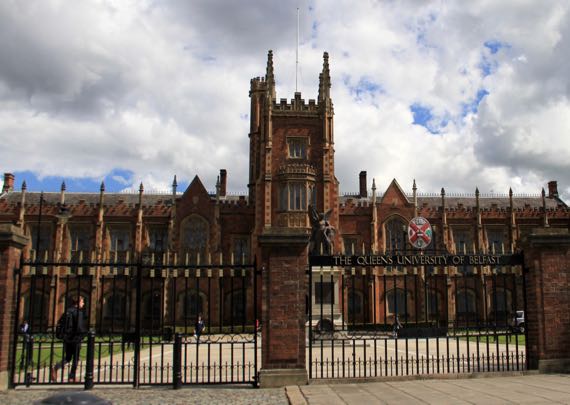
In Belfast! Here’s the formal façade of Queens University Belfast.
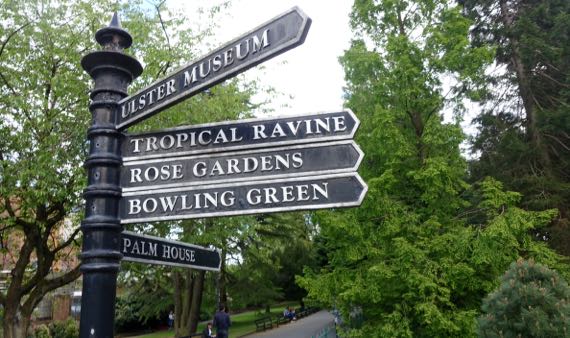
Next to the core buildings of the Univ is the Ulster Botanic Gardens.

This is the door to the Palm House. The plants were ho-hum. There was a HOT room, that made my chest feel compressed.
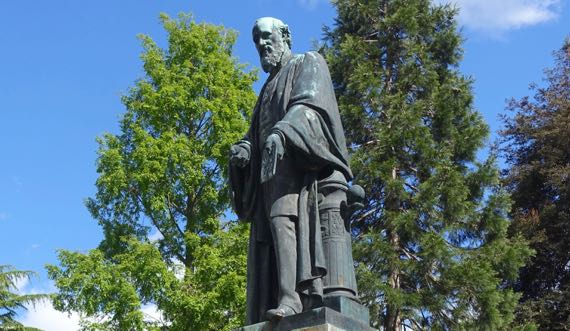
A metal Lord Kelvin stands inside the main entrance to the BotGarden.
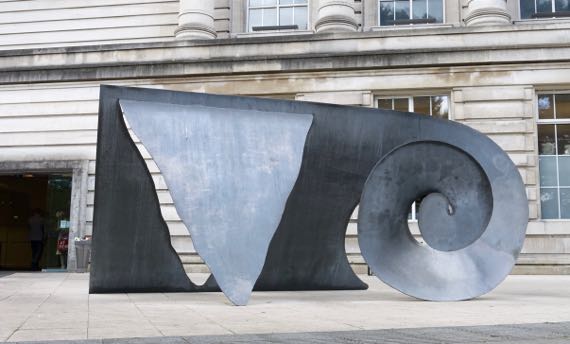
This is a sculpture outside the Ulster Museum.
Just periodic overcast, no sprinkles. Is this really Ireland?
Posted at 4:17 PM |
Comments Off on Winding things up
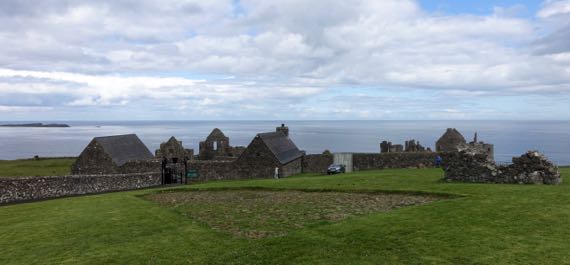
This is the inland side of a promontory fort location, very defensible. The construction here dates to the same period as Donegal Castle that we visited yesterday. Visually, it looks quite different because the stuccoing (perhaps not the technical term) is gone here and not in Donegal. Anyway, the foreground is the original cobble street, discovered below the modern sod. Around me, the photog, are archaeological remains of the village that was outside the castle. This castle, far right and distant, was built/occupied by MacQuillans and then MacDonnells, Scottish landholders and traders. The village had a substantial Scottish merchant population, numbering nearly 300. There was an earlier castle here dating to the ~1200s. I suspect there may have been an earlier occupation, too….
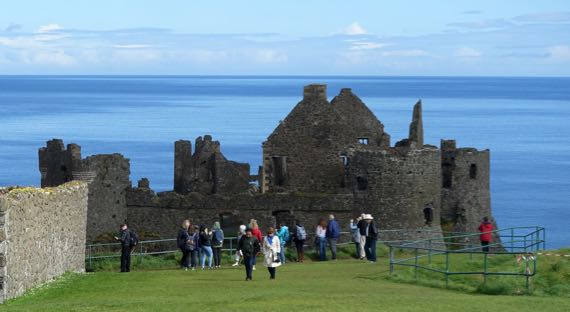
We arrived just after two big busloads of tourons. As we made our way to the ticket booth, we realized they were not entering the castle, only standing at the fence. Yay for the logic of bus-tour scheduling (?).
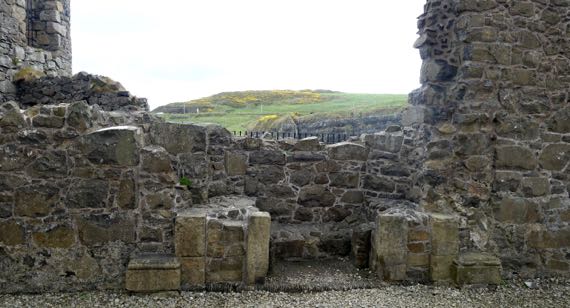
We took many detail shots of the castle and its setting. This is the remaining bottom portion of a fireplace surround, and the view through the hole in the wall of the next peninsula, covered with pasture and gorse. Strangely, it was not windy.
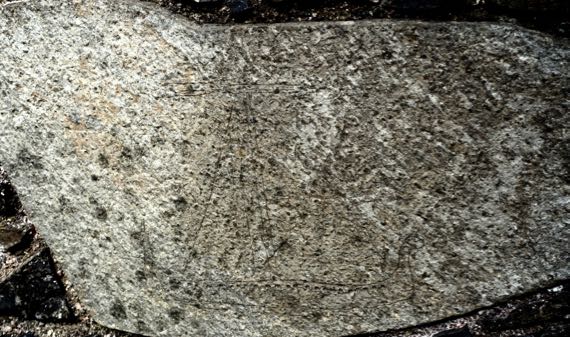
I’ve messed with the photo settings in an attempt to bring out an etching of a late medieval Scottish galley. Perhaps easiest to spot is an upright triangle, representing the sail, I think. At the bottom are a pair of horizontal lines indicating the ship, with a line of dots along the upper line. Perhaps you can see the upturned ends to the left and right.
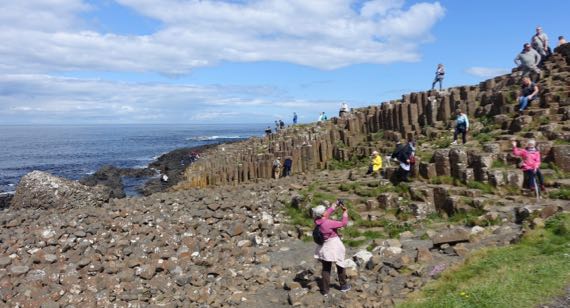
We went on east to a geological feature called Giant’s Causeway. It’s a basalt formation of hexagonal columns, broken and weathered on the tops. There are several folk tales about the formation; track them down if you like fanciful stories.
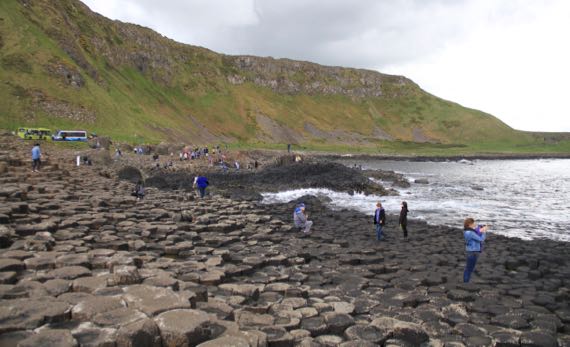
This view is back at the bus turnaround. Many people take the bus down, or more likely back (uphill). We walked both ways. My fitbit has been giving me in excess of 100 flights per day over the last 10 days; not today, unexpectedly.
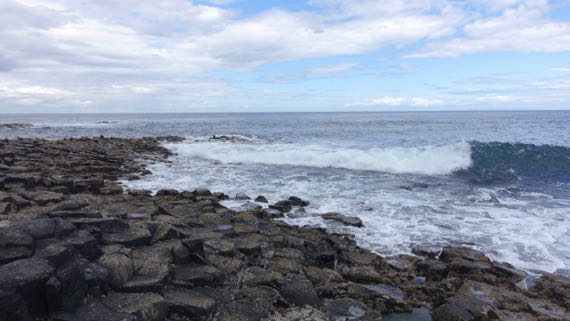
We spent some time watching the waves crash near the end of the formation, soaking in the sunshine. Just lovely.
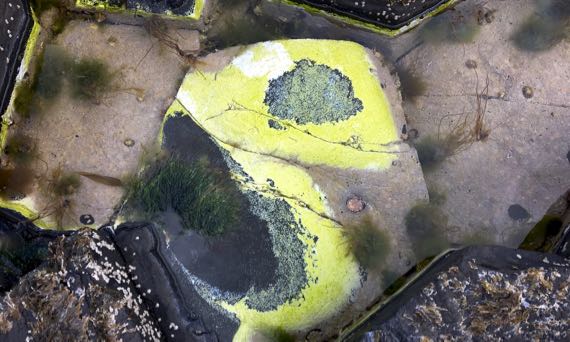
I found this tide pool with its brilliant green-yellow whatever-it-is. There are conical shells, too—barnacles? I don’t know much about sea-critters.
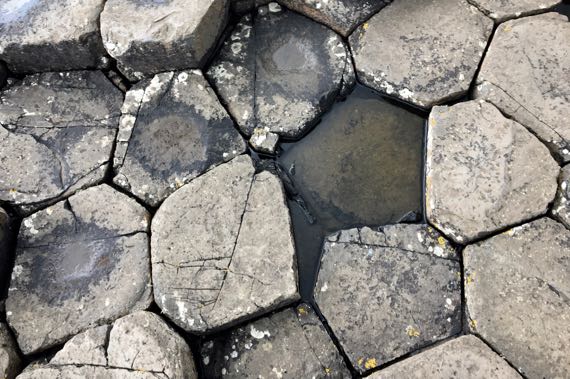
Here’s a top-down view of the columns. Love the slight distortion of the geometrics.
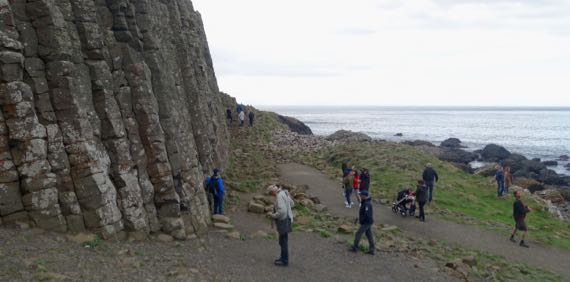
Here is a stand of the columns. So dramatic.

We spotted several dandelions along the return route to the parking lot, and even a few buttercups (I think), with flies camped out on them. In contrast, white flowers were bereft of flies. What’s the deal?
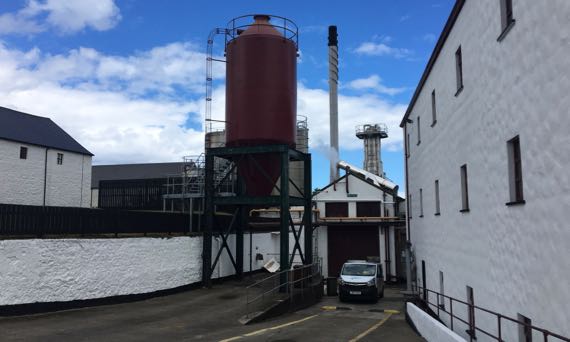
We made a quick stop at the Old Bushmills Distillery. We thought about taking the tour, but it was priced at £8/person, and we decided to pass. Even if it included a wee tasting at the end.
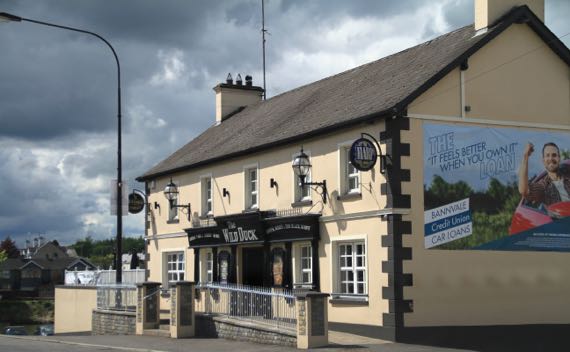
Here’s your daily pub shot. This is the Wild Duck in Portglenone. The town is on the River Bann, which connects the large freshwater lake called Lough Neagh to the sea. Vikings sailed up the Bann, and spent the winter of 840/841 at the monasteries at Antrim and Ardboe. Subsequently, they made camps other places around the lake from which they raided elsewhere in the interior of this part of the island.
Posted at 4:37 PM |
1 Comment »
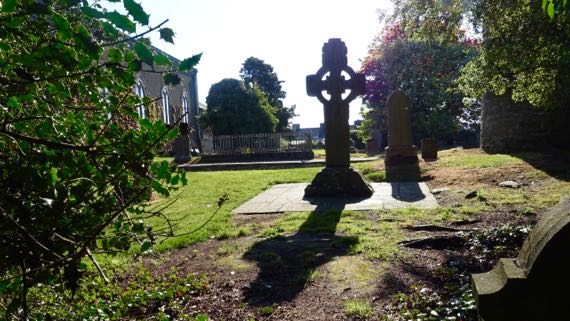
It’s Sunday, so perhaps somehow fitting that we should begin today’s excursion at a churchyard. Another high cross…more burials. Flowers.
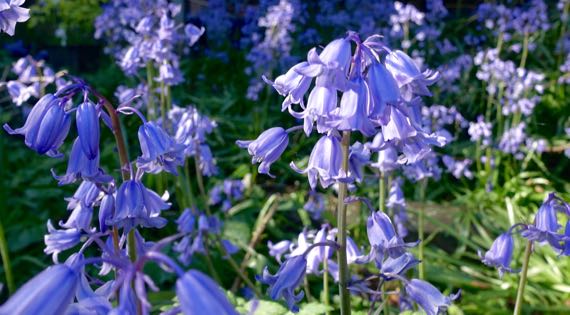
Bluebells, in this case.
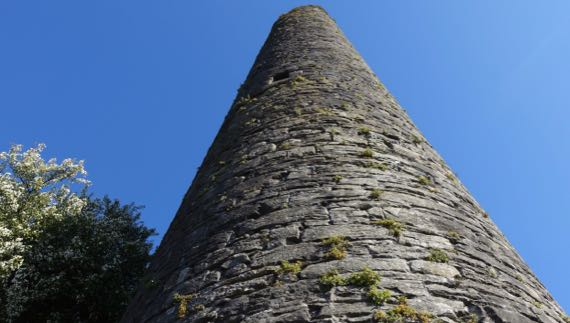
This is the highest hill in Kells, and the oldest building remaining in the compound is the round tower, most of which still stands. Everyone seems compelled to point out that while most such towers have four window-openings at the top, this one has five—one for each of the main roads leading into town (and away from it, duh).
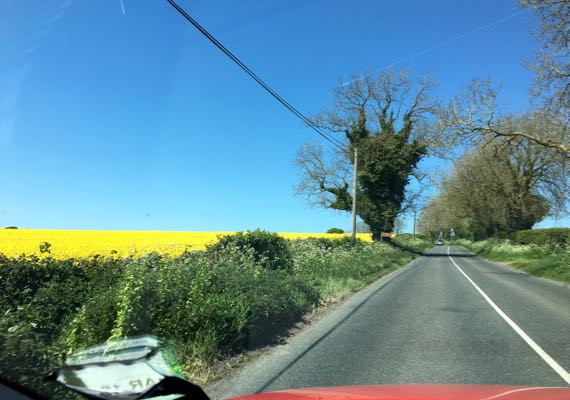
And, we’re off again. Colors—canola yellow flowers, red car, green vegetation, grey road. Yeah, a snapshot.
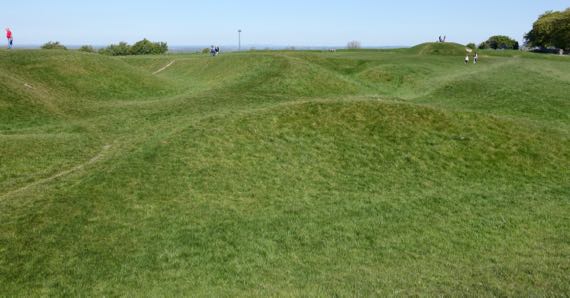
This is some of the earthworks at Hill of Tara, commonly called Tara, just as Margaret Mitchell used it in “Gone with the Wind.” Too much complicated archaeology to even broach it. Take it merely as intricate visual candy, and admire the ancient ones who planned and created this.
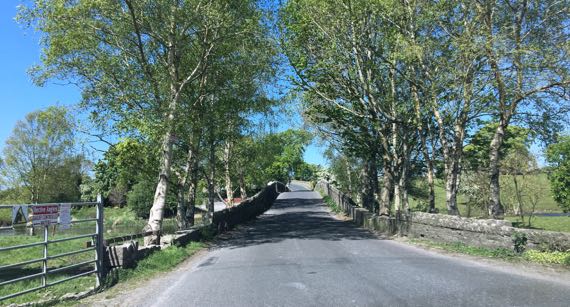
Here’s a little swoopy stone bridge over a river/creek.
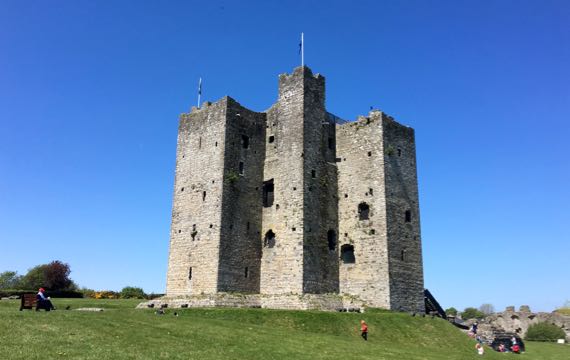
This is the keep of Trim Castle; it’s the largest Anglo-Norman castle on this big island. It was here by 1175, replacing an earlier wooden fortified structure. Life hustled and bustled in the area surrounding the keep and within the curtain walls (completed ~1200)—craftsmen and servants, knights and merchants—and stables, a lime kiln, and so on. The castle offered sufficient security that the town outside the walls became substantial.

Loving these little ferns that have taken hold in the castle wall. And are degrading it.
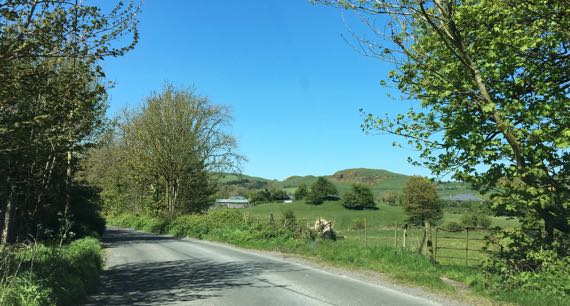
We push on. We are looking for hills. Aha! There are some! We’re still in the Boyne Valley, but we’re inland and nearing the edge of the catchment.
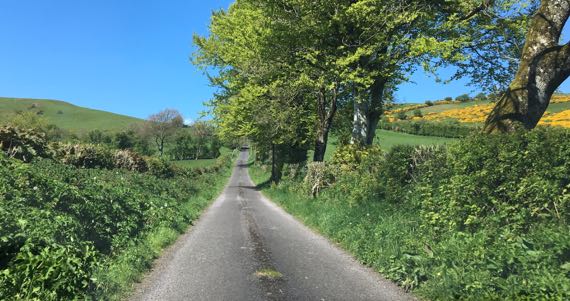
Off on a “leetle” road. I’d call it a lane. With grass overtaking the center.
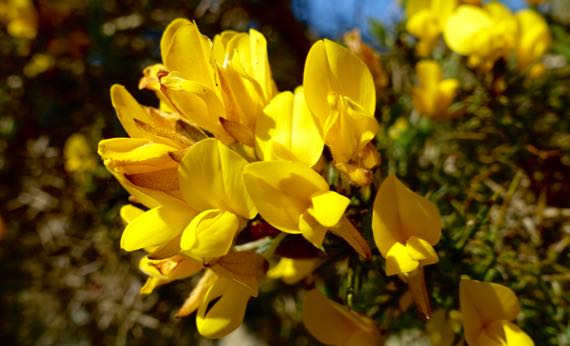
And, off to the right: gorse! Here’s a cluster of gorse blossoms close up.
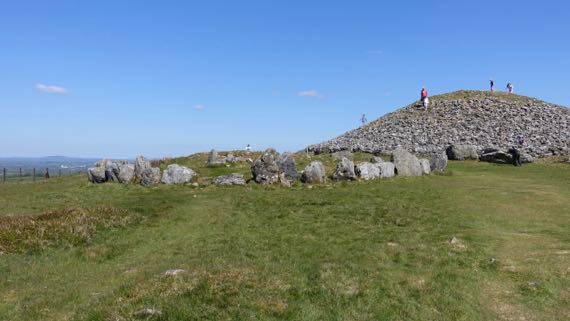
We climbed a little hill this morning at Tara. This one, with some of the Loughcrew cairns atop, requires much more effort. And, on the summit: another Neolithic passage tomb. Signs around it urge “No Climbing.” The accent of every person I heard climbing the mound: Irish. It’s their patrimony…. We stayed on the ground surface. Plenty to see from this hilltop—you can get a hint of how high we are by the distant view in the horizon to the left. Sunny and gorgeous. Beautiful day.
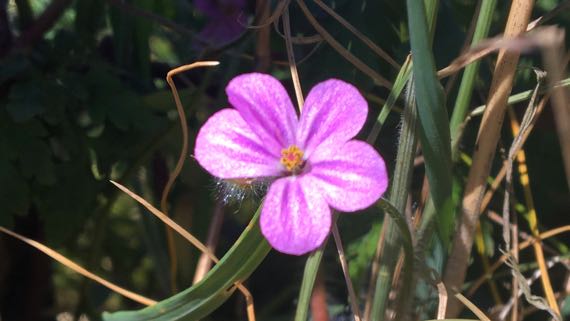
I don’t know what this flower is called; I found it in the hedgerow as I stopped to catch my breath.
Posted at 1:10 PM |
Comments Off on Sunday drive

Today’s tale begins with giant Neolithic passage tombs, that is soil and stone burial mounds. First, we went to Knowth, then Newgrange. Both are part of the ritual landscape we call Brú na Bóinne, as it’s along the Boyne River. The landscape as currently mapped is 2000 acres and some 40 passage tombs. We visited the two largest only, and nobody really addressed the rest (some discussion in the visitor centre displays). We went by bus on timed, guided tours (hustle, hustle), first to one, then the other. We got to stand in a modern room inside the periphery of Knowth, and to go through the passage into the central room in Newgrange (wow!). No photos in the latter.
Here’s Knowth being excavated. The central tumulus is huge, and it has many satellite mounds. Two of the small ones were constructed before the big one. The first part of the big one was built was the middle of the interior, and the passage.

Here’s our tour group strolling among the little satellite mounds; you get an idea of the scale. The upright stones (and many other building materials) came from some distance away; this civic-ceremonial architecture was wanted.
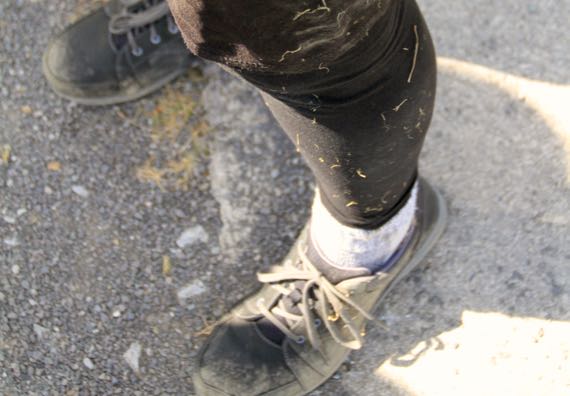
We had an opportunity to scramble down into a souterrain, so of course I did. It’s an underground passage that was used to store food and to hide from invaders. They are much later than the Neolithic. And dusty. That’s because the weather is sunny (and breezy), and coming from Europe. When the wind comes from the west: blustery and rainy. We have fingers crossed that the sun continues. We are so lucky.
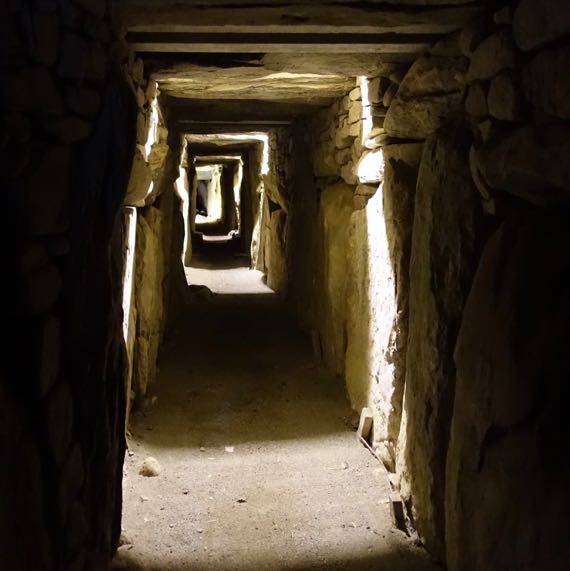
We had an opportunity to see in the passage at Knowth. It’s a very long ways to the center of the mound!
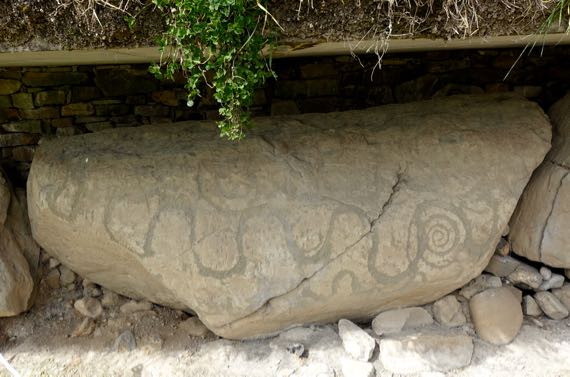
Around the outside of the mounds are stones with a face outward that was carved/pecked, I think every one, although not all are in good enough shape to see the designs. Here’s a sinuous line, with other figures. The “roof” above the stone is modern protection. When the mound was in use, it was in the weather.

This is Newgrange. If Knowth was huge, this mound is gigantic. It had architecture around it, but not the cluster of smaller mounds Knowth had. The pecked designs in the rocks are similar to those at Knowth but the proportions of types are different.
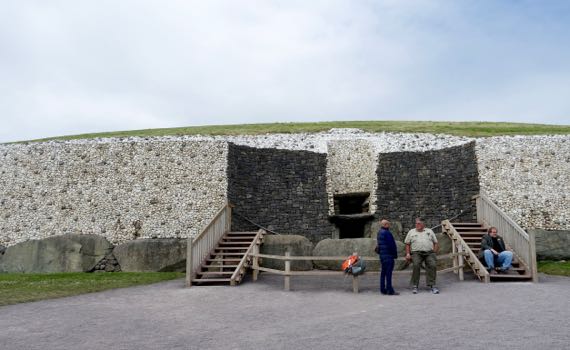
This is the entry to the Newgrange passage. It looks like there’s a bar across it horizontally. There are actually two passages. The lower one is the one people used; the upper one is for the sunlight at dawn for about six days at the winter solstice in December. They faked it for us—very impressive.
The white stone with cobble facade is for real. It is old and the quartz stones came from the Wicklow Mountains some distance away. The black stones are part of a modern remodel they did to permit visitors to enter the passage. The black stones are machine-cut so no one will make any mistakes about their antiquity. The giant stone that is sideways across the entrance was found there; it was put in place before the mound was constructed, as were the stones lining the passage, roofing the passage and interior spaces, etc. This building took generations to finish?

There’s a model of the interior of Newgrange in the visitor center, where you are allowed to take photos. This is the ceiling. It’s a high space, much less confining than you’d expect. The passage, however, is narrow, and the floor slopes up as you walk, waddle, or crawl in.
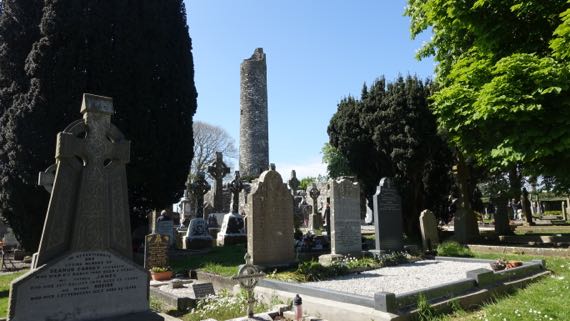
Okay, enough with the ancient ancient. This is the cemetery at Monasterboice, originally a monastery founded in the early 6th C. I’m not sure of the date of the round tower, but the two churches that are here (small) date to the 14th C. Monastery operations moved to nearby Mellifont in the mid-1100s.
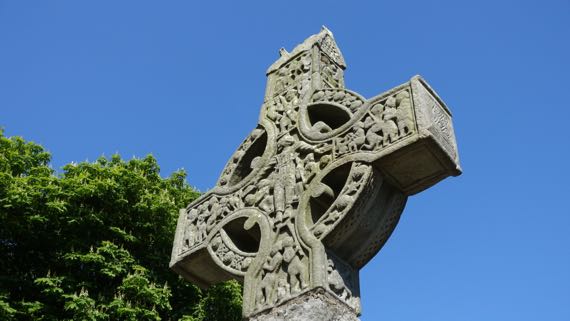
The grounds of Monasterboice are known for the three high crosses here. High crosses are huge, very outsized, which makes for a large canvas for bible stories. The tops tend to look like a little building, or a reliquary.
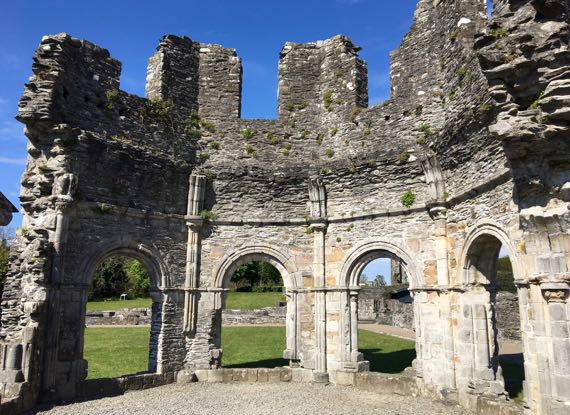
And here’re the remaining walls of the magnificent octagonal lavabo at the Mellifont abbey complex. The building was for the monks to ritually wash their hands. We are told.
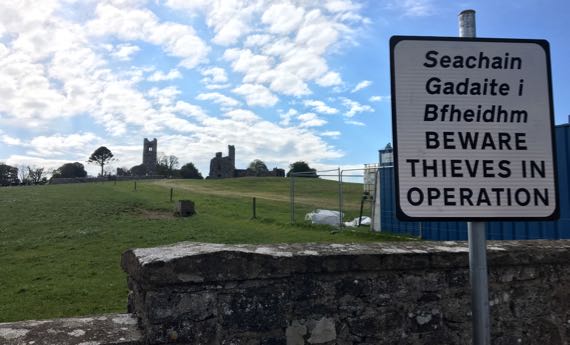
On to another abbey ruin. This is Slane, on the Hill of Slane. And whatta hill! We saw this sign at Monasterboice and Mellifont, too. And this one and Mellfont had a nice pile of freshly broken auto glass. We are nervous. And nothing is visible when we leave the car. Except, I noticed, a banana.
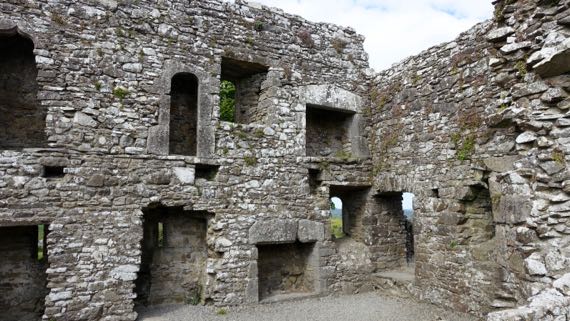
Here is a corner of the main building. Such views the occupants had! Same as the Neolithic people at Knowth and Newgrange.
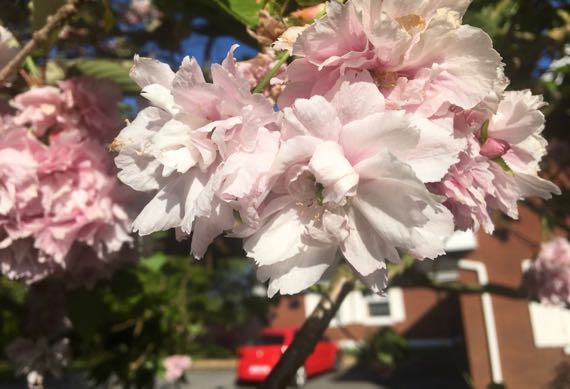
And now we and our little red VW (takes unleaded not diesel) are ensconced in B&B number one, just outside Kells. The Kells with the name attached to the illuminated manuscript we debated visiting, but didn’t. Probably it was not made by monks from Kells, however.
Posted at 3:53 PM |
2 Comments »
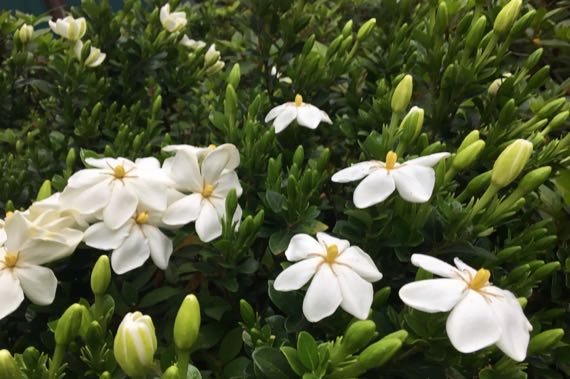
The gardenias are blooming! The gardenias are blooming!
They began opening yesterday, and this morning there are three times as many unfurled as late yesterday afternoon.
Hypothesis: it smells like gardenias at the Pearly Gates. No, I do not want to investigate this research question.
Posted at 11:34 AM |
Comments Off on May day! May day!
Yesterday, we played hooky and watched a matinee presentation of “Hidden Figures.”
Today is a different story. Today was back-up day. Devices all over the domicile got extra backups, including fresh encrypted backups for the phones.
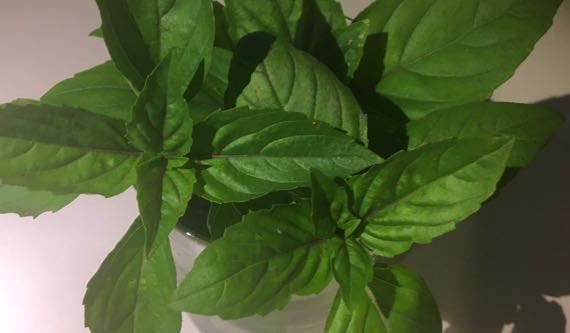
In addition, I made the first harvest of 2017. I admit that the nursery did the growing, but we bought the plants, took them home, planted them (two days ago), and set them up for the coming season of nurturing. They needed pruning to bring out the best in them later in the harvest months, so I did what had to be done.
This is cinnamon basil, which we bought as a substitute for Thai basil. I can say it’s not the same, but more like Thai basil than Genovese basil, which is the kind we customarily use for pesto and typical Italian dishes.
Posted at 10:10 PM |
Comments Off on Harvest! (Yes, I cheated.)
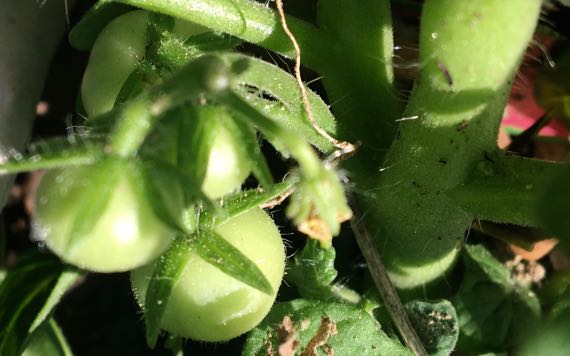
I took the Guru out to do errands, and stopped and picked up some potted plants to turn into a (not quite) instant garden. I didn’t notice until after I planted it that this patio tomato already has English-pea sized ’maters. The bloom (not pictured) I noticed, but not the fruit.
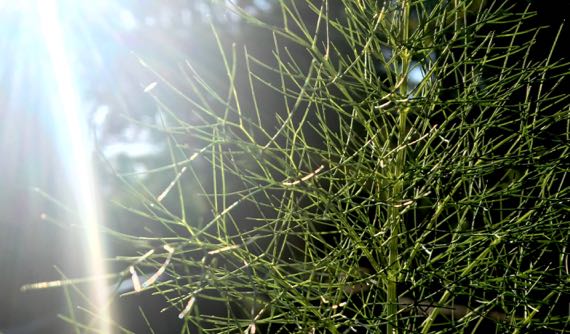
Meanwhile, the fennel is charging ahead on its own. I think this is its fourth year…after all, it’s a perennial, at least in this climate.
BTW, Dad was born a century ago…. Fitting that I do a bit of gardening today…. While he loved tomatoes, I never remember him planting fennel.
Posted at 6:20 PM |
Comments Off on Garden trivia, late April 2017
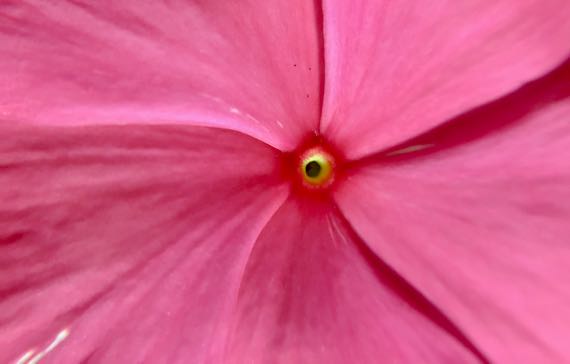
Twice in the last twenty-four hours I have encountered the word tattersall. I can’t remember the last time…two decades? And I knew “plaid” but it’s more than that, it’s an even plaid, with more space between the stripes than not, and the grid is in two colors, a darker and a lighter one (typically). It’s like funky, fabric graph paper (kinda). Apparently, the pattern is from horse blankets at a market with this name in London well over a century ago. Of all things.
Posted at 9:20 PM |
Comments Off on A pink flower is not tattersall
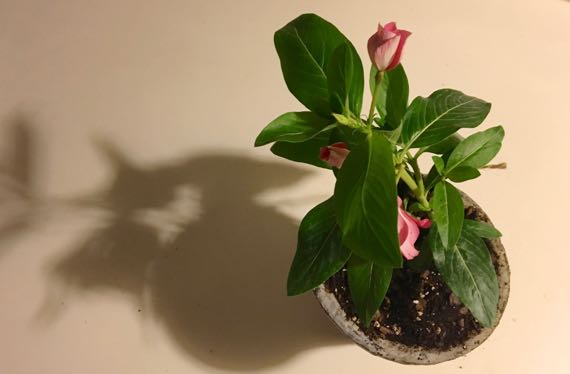
Well now, Old Man Time escaped the bounds of…time, and I must do a late-post. My alternate-reality self is in Paris (trust me), and I revere it with this time-shifting plant….
Happy Sattidy night!
For no apparent reason, let me note here that when my fingers learned to type the exclamation point, it was a far different key-stroke-combo than it is now. And there’s no reason to allot blog-space to that observation. Or I could do something totally different, and address recent settlement pattern studies…(I advise:) don’t turn me loose on this….
Posted at 10:22 PM |
Comments Off on Ah, bœuf bourguignon

Quiet around here today now that Our Company has departed. Remembering yesterday’s good times with a photo from then…a purple-y flower cluster from the conservatory.
Posted at 9:40 PM |
2 Comments »